Candidate for East Bay Regional Park District · Ward 7

Living Parks.
Thriving Communities.

Indy is running to help define the Park District’s next chapter: protecting the land, connecting more people to the health and belonging parks provide, and making public systems deliver.

Healthy land. Healthy people. Public money that works.

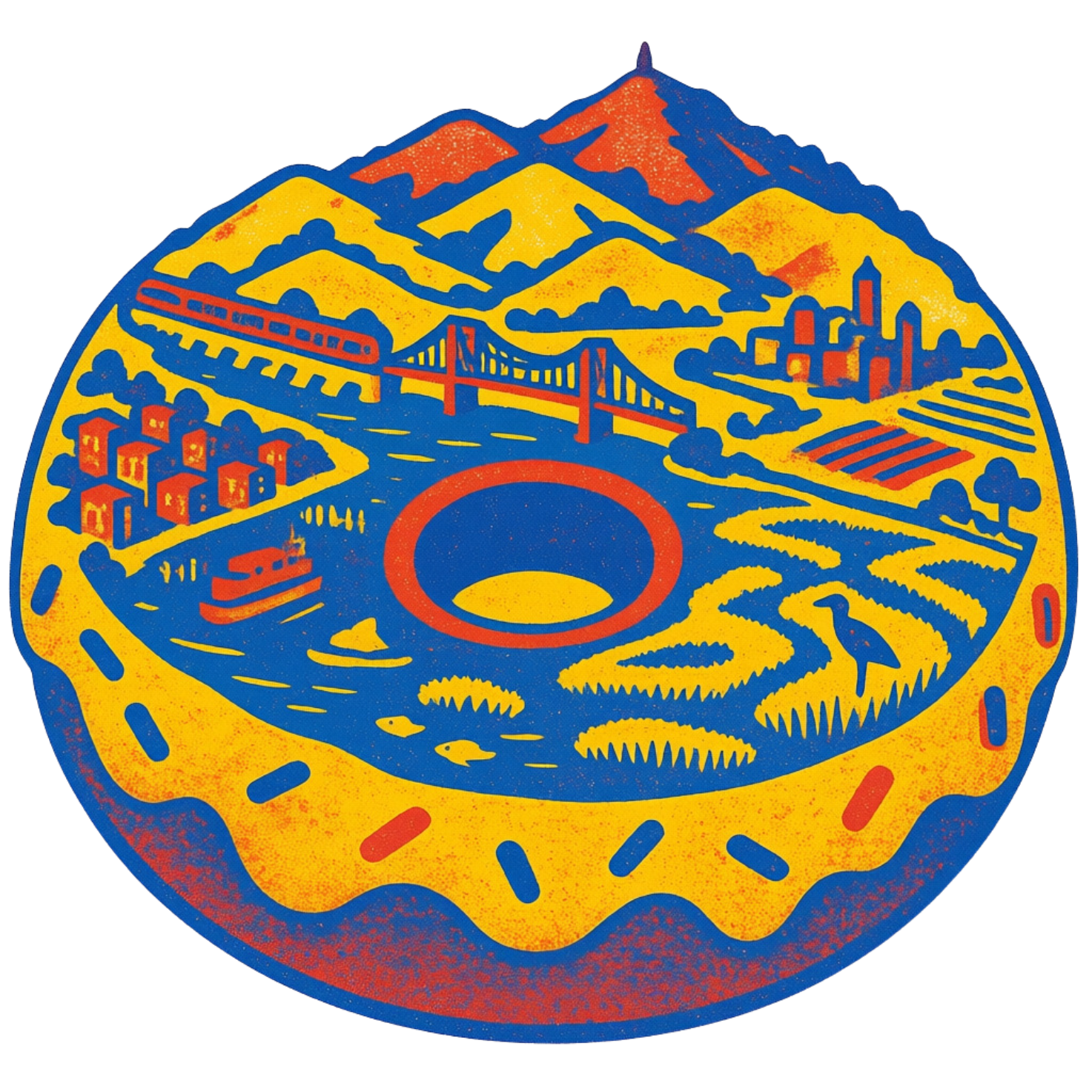
Illustrated Doughnut Vision landscape showing water, wetlands, farms, neighborhoods, transit, bridge and hills.
The public platform

Protect.
Connect.
Deliver.

The District has spent generations protecting land. Indy’s campaign asks how that protected land can more fully sustain the people and communities around it.

01 · PROTECT

Care for the land before the emergency.

Keep land, water, roads, trails and fire-prone landscapes healthy and safe — with maintenance and ecological stewardship matched to the places the District manages.

  • Wildfire resilience
  • Wetlands and shorelines
  • Healthy soil and habitat
02 · CONNECT

Make parks work for more people.

Treat parks as public-health and belonging infrastructure, with better access, locally relevant programming and meaningful ways for residents to participate.

  • Health and wellbeing
  • Transit and first-visit access
  • Youth and paid stewardship
03 · DELIVER

Make public money produce visible results.

Modernize field systems, publish priorities and costs, and make it easier to see what is being fixed, restored and improved.

  • Transparent priorities
  • Modern field tools
  • Measurable outcomes
Doughnut Vision 2036

A safe and thriving place for people and planet.

Doughnut Economics asks how we meet more human needs without damaging the living systems we depend on. Indy’s 2036 vision applies that question to Ward 7’s parks and communities.

People thrive

HealthParks that support movement, stress reduction and connection.
FoodExplore edible landscapes and community stewardship where appropriate.
YouthPaid pathways into restoration, stewardship and civic work.
AccessMake it easier for more communities to reach and use parks.

Nature thrives

Fire resilienceProactive vegetation and ecological management.
ShorelinesWetlands and living systems that improve habitat and absorb flooding.
BiodiversityNative plant, pollinator and wildlife corridors.
Circular systemsTurn organic material back into useful ecological value.
The theory of change: If we invest in parks as infrastructure for both people and planet, healthier land can support healthier communities, healthier communities can become stronger stewards, and accountable public systems can reinforce both.
Ward 7, 2036

See the place. Imagine the next chapter.

Each story starts with a real place and a real condition, asks what nearby communities need, then connects the future vision to a practical policy, partnership or funding pathway.

The Shoreline We Can Restore

Cleaner water, healthier wetlands and safer access — using proven treatment and restoration approaches where they fit.

Current condition → practical response → healthier shoreline

The Park That Heals

Explore nature-prescription and public-health partnerships that make “parks are health infrastructure” literal.

Nature access → wellbeing → prevention

The Park That Feeds

Explore food forests, edible corridors and community stewardship on appropriate park edges and buffer zones.

Park edge → stewardship → local nourishment

The Park That Creates Work

Create paid stewardship pathways so young people can learn ecological skills while improving the places they use.

Learning → paid work → local stewardship

The Government You Can See

Make priorities, costs, timelines and outcomes easier for residents to understand and follow.

Public data → accountability → trust

The Land We Care for Before Crisis

Shift from reactive emergency response toward proactive vegetation, soil, wetland and habitat management.

Prevention → resilience → regeneration
Public money that works

You should be able to see what your Park District is doing.

The argument is not that every public dollar is discretionary. It is that a large public institution should make its priorities, costs and results understandable.

Maintenance response & repair times
Trail & facility condition over time
Wildfire hazards treated & acres restored
Water quality & ecological outcomes
Residents reached
Local organizations contracted
Ward 7 investment
Project costs, owners & timelines

Specific budget figures remain subject to reconciliation against the District’s adopted budget before publication. The campaign’s standard should be simple: verified facts are labeled as facts; proposals are labeled as proposals; future concepts are labeled as future concepts.

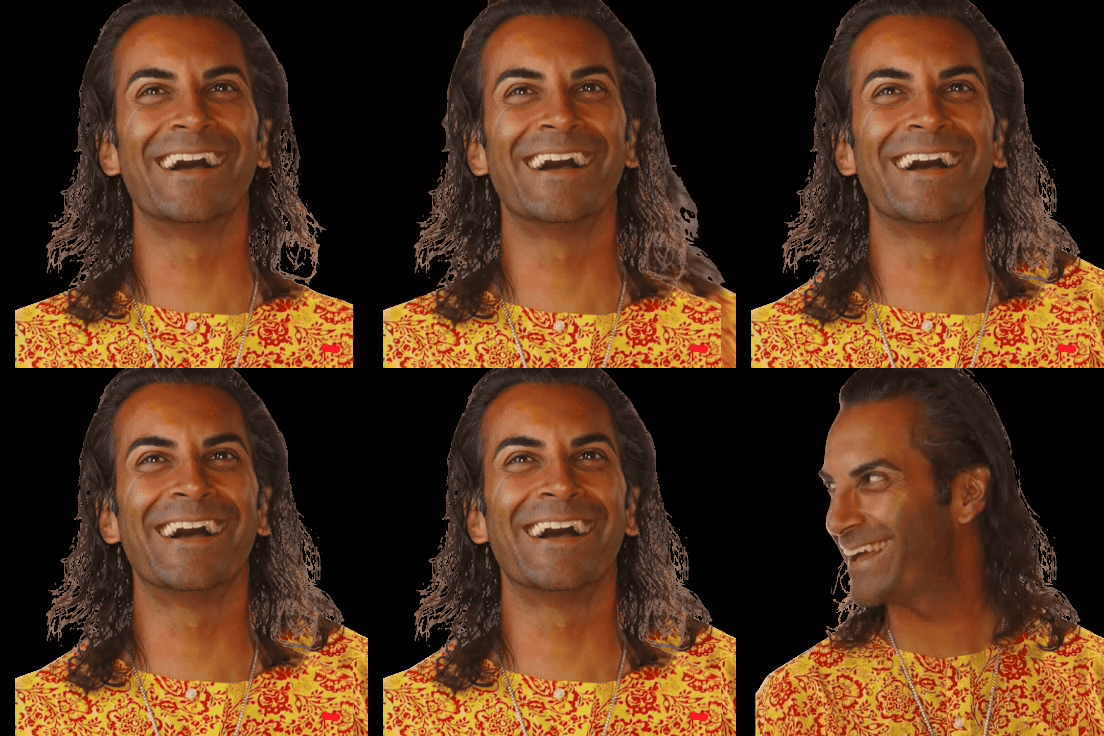
Indy Sekhon laughing
Meet Indy

Parks can do more.

Indy is a regenerative farmer, community organizer and systems thinker running for the East Bay Regional Park District Board in Ward 7.

His work focuses on the relationship between personal health, community wellbeing and the health of the land. He is running because he believes the Park District can build on its legacy of land protection and become a more active partner in public health, climate resilience, ecological restoration and community stewardship.

His question is straightforward: How can the land we have already protected do more good for the people and places around it?

Heartstorming Ward 7

Listening that leads somewhere.

Most public engagement begins with a survey. Heartstorming begins with a place, a conversation and a practical question: What would help your community thrive here?

1 · Experience the place
2 · Share what you see and need
3 · Imagine what could change
4 · Connect ideas to policy and action
5 · Invite people back into the work
Plain-language FAQ

What does this mean?

Why call it “Doughnut Vision”?

The doughnut is a simple model: make sure people can thrive while keeping ecological systems healthy. The campaign uses it as a long-horizon method, not as a prerequisite for understanding the platform.

Is every 2036 idea already an official Park District program?

No. The site distinguishes campaign proposals and future concepts from existing District programs. Partnerships are not implied until they are actually established.

What does one Park District director control?

One director does not control the District alone. Indy would need to build public support and Board support for pilots, policies and investments.

Why focus on public systems?

Maintenance, ecological care, field data and capital decisions are connected. Better information and clearer priorities can help staff, the Board and residents understand what needs attention and what progress looks like.

Join the campaign

Help shape Ward 7’s next decade.

Vote. Volunteer. Share a park story. Come to a Heartstorming event. Help turn a long-horizon vision into practical work.